
Polyaspartic coating built for the heat, the water, and whatever else your pool area throws at it.
Polyaspartic coatings that stay strong through sun, water, and whatever the kids drag out of the pool.
Your pool deck coating shouldn’t crack, peel, or turn into a surprise Slip ’N Slide the second someone splashes water on it. If your current pool deck is faded, flaky, scorching hot, or just plain sad, you’re not alone and you’re definitely not stuck with it.
At Atlas Coatings, we install durable pool deck coatings in Greenville SC that are built for sun, water, chlorine, kids, dogs, and whatever else your pool area throws at them. We use professional-grade polyaspartic systems that last, without the epoxy regrets.
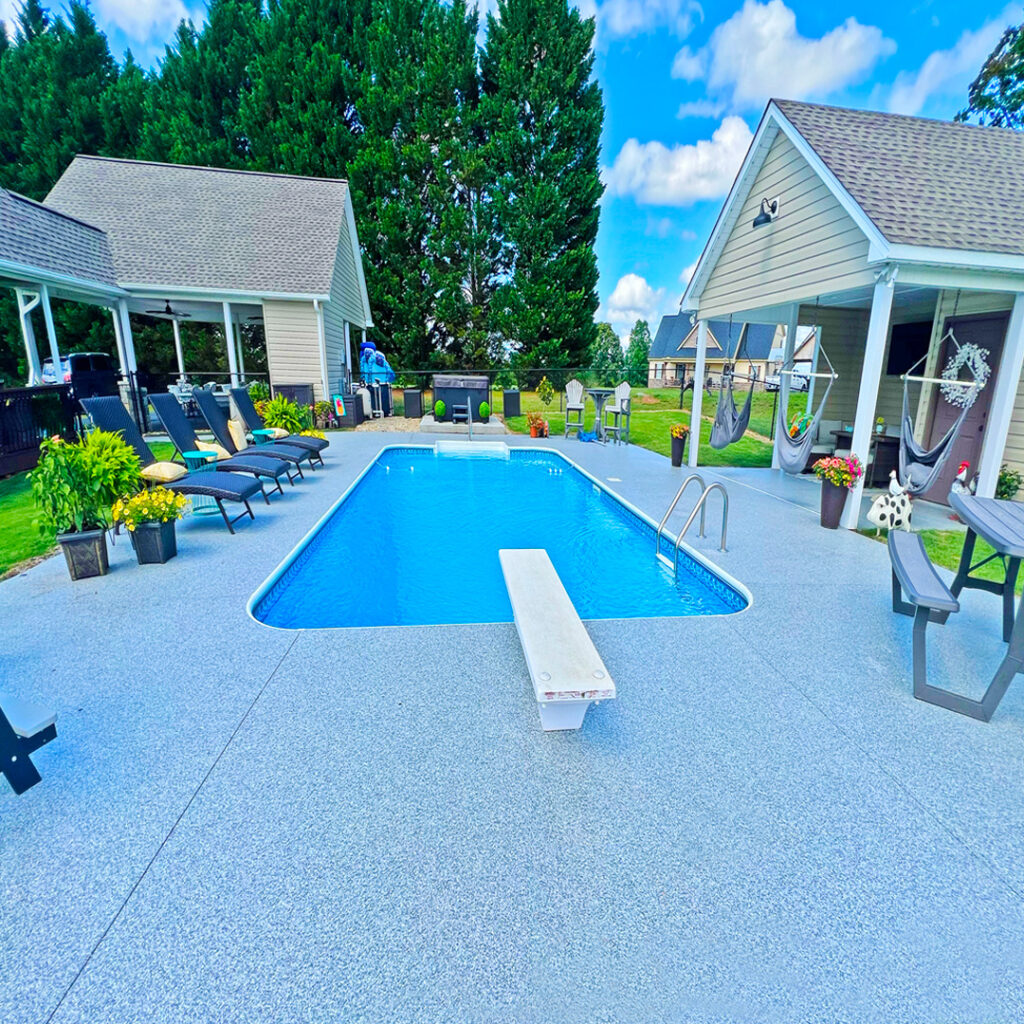
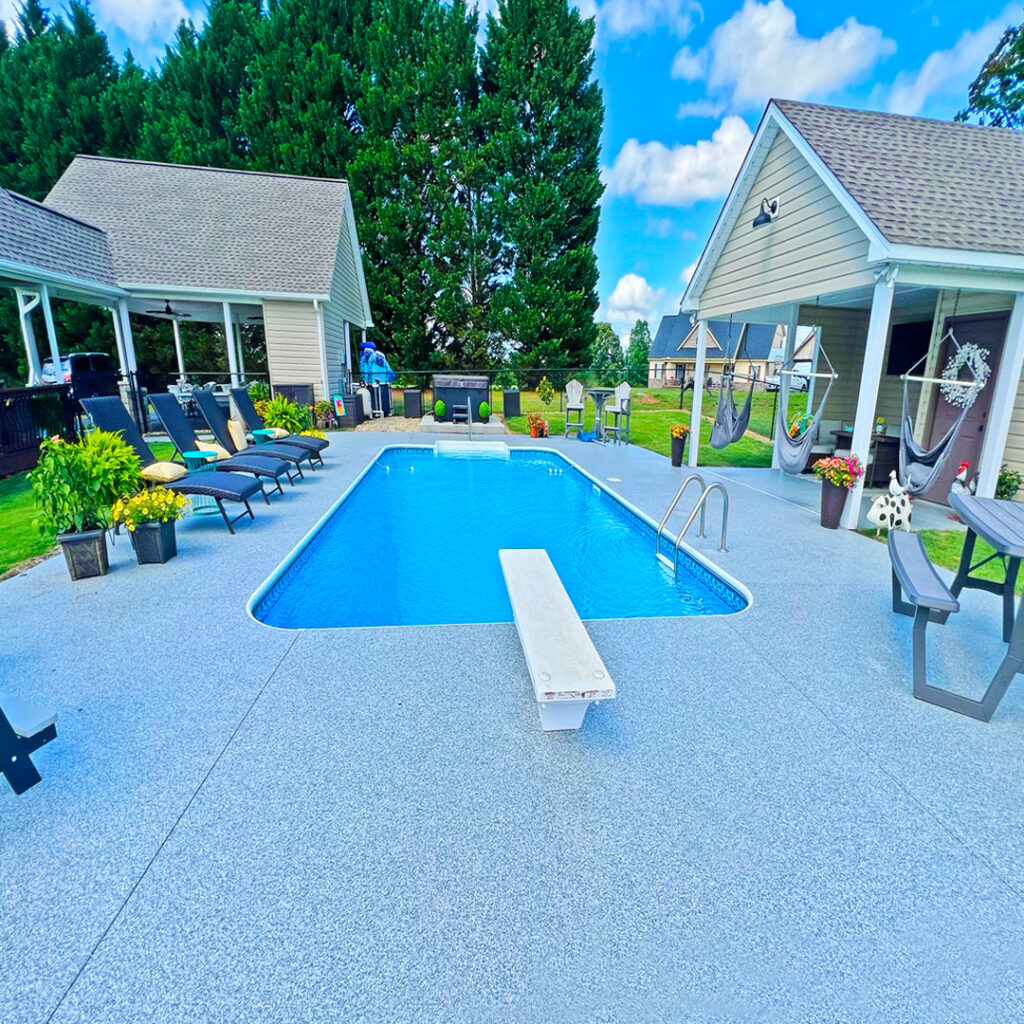
Polyaspartic coatings that stay strong through sun, water, and whatever the kids drag out of the pool.
Your pool deck coating shouldn’t crack, peel, or turn into a surprise Slip ’N Slide the second someone splashes water on it. If your current pool deck is faded, flaky, scorching hot, or just plain sad, you’re not alone and you’re definitely not stuck with it.
At Atlas Coatings, we install durable pool deck coatings in Greenville SC that are built for sun, water, chlorine, kids, dogs, and whatever else your pool area throws at them. We use professional-grade polyaspartic systems that last, without the epoxy regrets.
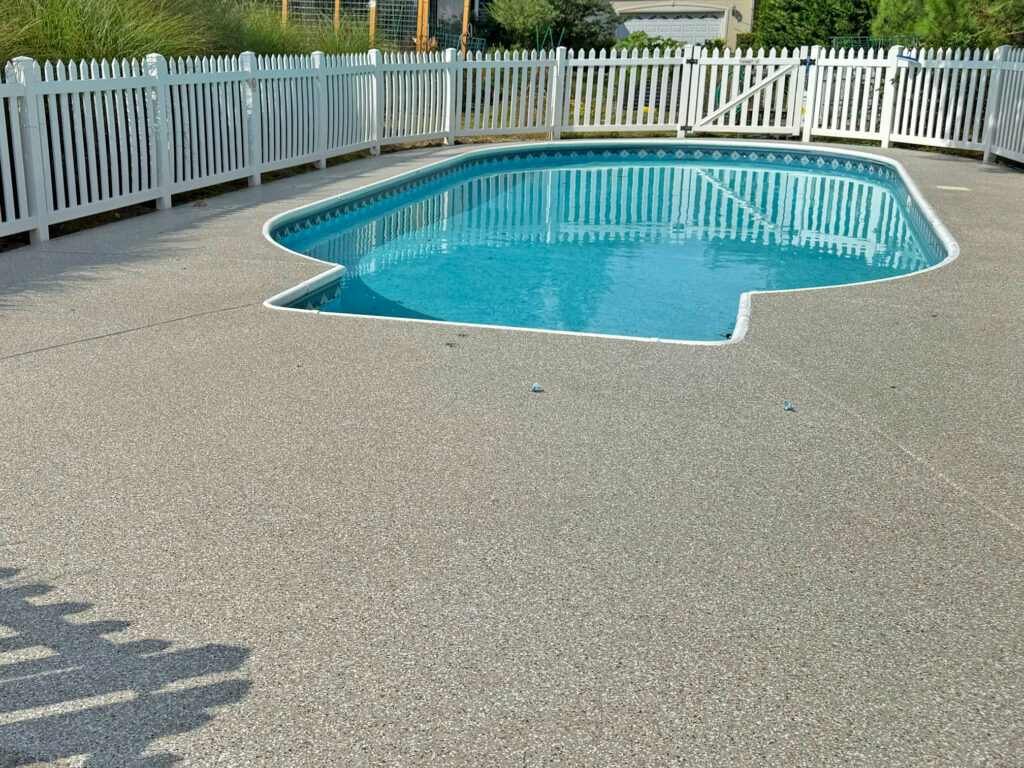
Flaking, Fading, and Slippery? Yeah, We’ve Seen It.
Most pool deck resurfacing problems aren’t a mystery. They’re the result of the wrong product, rushed installs, or zero prep. Epoxy and cheap acrylic coatings often can’t handle outdoor exposure, especially in the South.
Common Issues We See:
Peeling and flaking coatings
Faded color from UV exposure
Slick surfaces when wet
Cracked concrete showing through
Roller marks and patchy finishes
Popular types of pool deck coatings include polyaspartic, epoxy, acrylic, rubber, and cool deck systems. Not all are created equal and sure, that slippery patch does add excitement to pool day… until someone eats it.
That’s why we do things differently.
Flaking, Fading, and Slippery? Yeah, We’ve Seen It.
Most pool deck resurfacing problems aren’t a mystery. They’re the result of the wrong product, rushed installs, or zero prep. Epoxy and cheap acrylic coatings often can’t handle outdoor exposure, especially in the South.
Common Issues We See:
Peeling and flaking coatings
Faded color from UV exposure
Slick surfaces when wet
Cracked concrete showing through
Roller marks and patchy finishes
Popular types of pool deck coatings include polyaspartic, epoxy, acrylic, rubber, and cool deck systems. Not all are created equal and sure, that slippery patch does add excitement to pool day… until someone eats it.
That’s why we do things differently.
We use polyaspartic pool deck coatings because they outperform just about everything else outdoors. Period.
Polyaspartic coatings are:
Ultra-durable and flexible
Fast-curing (most projects done in one day)
Up to four times stronger than traditional epoxy
100% UV stable — no yellowing or fading
Resistant to chlorine, salt, rust, and chemicals
While acrylic or kool deck coatings may need reapplication every 2–3 years, professional polyaspartic systems can last 10–20 years with proper care.
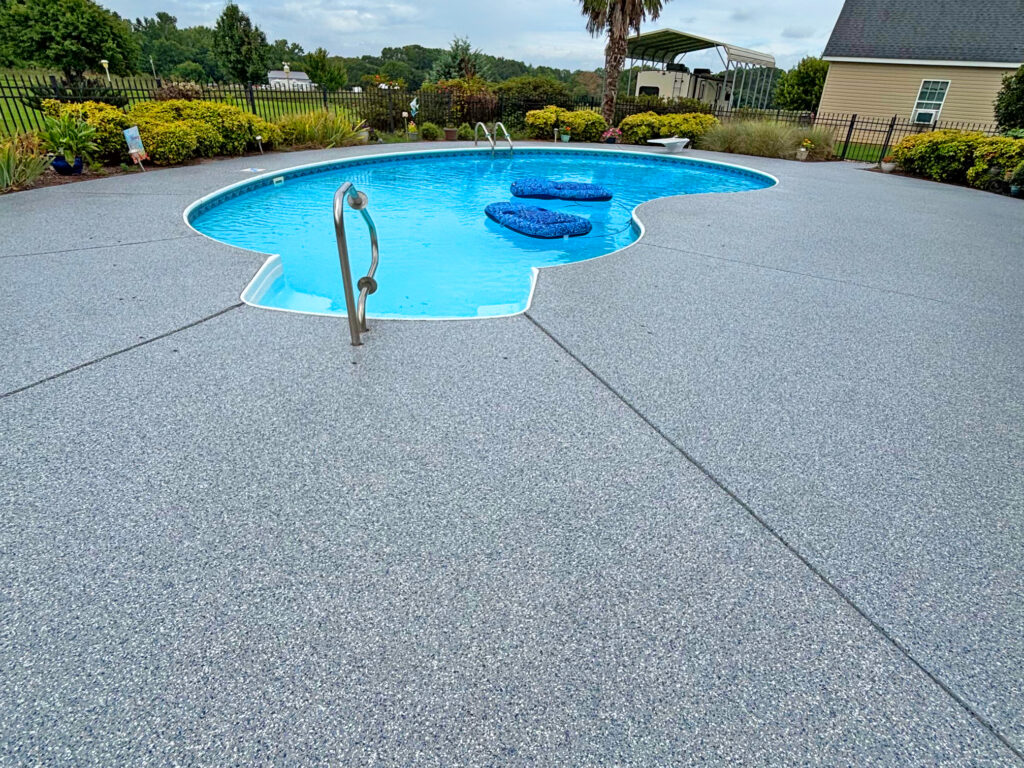
We use polyaspartic pool deck coatings because they outperform just about everything else outdoors. Period.
Polyaspartic coatings are:
Ultra-durable and flexible
Fast-curing (most projects done in one day)
Up to four times stronger than traditional epoxy
100% UV stable — no yellowing or fading
Resistant to chlorine, salt, rust, and chemicals
While acrylic or kool deck coatings may need reapplication every 2–3 years, professional polyaspartic systems can last 10–20 years with proper care.
We believe good work should come with clear steps, not crossed fingers.
Most pool deck coating projects are completed in a single day, weather permitting. You’ll be walking on it quickly and swimming soon after.
Your outdoor space doesn’t have to look like a parking deck. We offer a range of flake blends and subtle textures that provide grip without feeling like sandpaper.
Our safety coatings:
Add traction without sharp aggregate
Reduce slip-and-fall risks when wet
Let you personalize your pool deck without sacrificing comfort
We’ve coated hundreds of pool decks across Upstate South Carolina from residential backyards to large community pools. The difference is obvious, and it lasts.
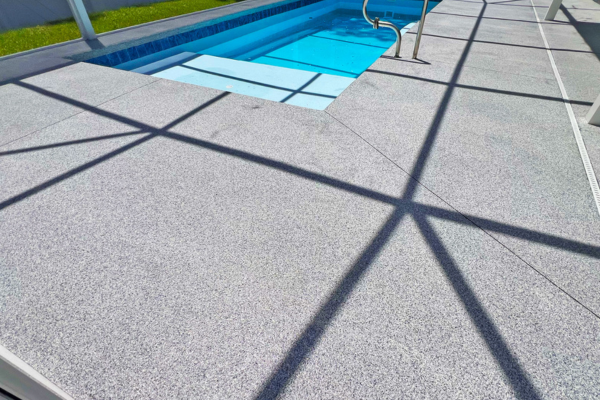
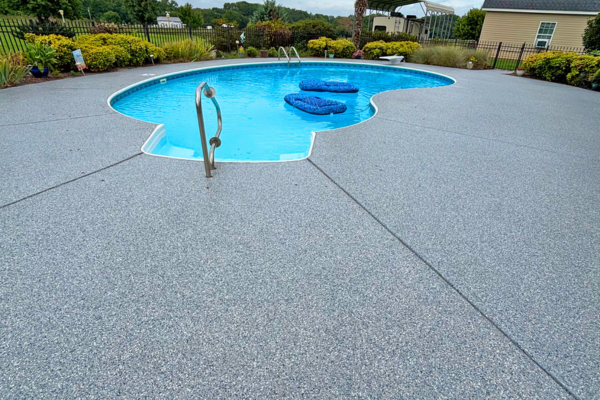
Yes. Our pool deck coating systems include a built-in textured finish that creates a reliable slip resistant surface, even when the deck is soaked. It adds traction without feeling rough on bare feet, which is kind of the sweet spot for any pool area.
Surface temperature depends on color choice, sun exposure, and surrounding conditions. Lighter colors and textured finishes typically feel cooler than dark or smooth surfaces, and our polyaspartic pool deck coatings avoid the heat-trapping issues seen with some traditional cool deck and epoxy systems.
Usually much sooner. Most polyaspartic deck coating systems cure within hours, allowing light foot traffic the same day and quicker return to normal use than typical epoxy or acrylic pool deck resurfacing options.
Professional polyaspartic pool deck resurfacing typically lasts 10–20 years with proper care. That’s significantly longer than acrylic or epoxy coatings, which often require reapplication every few years in outdoor environments.
Epoxy isn’t UV stable and often struggles outdoors, leading to peeling, fading, and failure on a concrete pool deck. Polyaspartic coatings are stronger, more flexible, and specifically designed for exterior deck coating applications exposed to sun, water, and chemicals.
Very little. Regular rinsing and occasional mild cleaning are usually enough to keep your pool deck looking good, without constant sealing or recoating. Translation: less upkeep, more time actually using the pool.
Based on our experience coating pool decks, polyaspartic consistently delivers better durability, UV resistance, and safety than most alternatives. We find that it outperforms epoxy, acrylic, and many cool deck coating systems in both lifespan and real-world performance.
The cost of pool deck resurfacing depends on size, condition, and coating type. While polyaspartic systems cost more upfront than basic acrylic coatings, they typically save money over time by lasting much longer and requiring fewer touch-ups.
Sure, you can resurface your pool deck yourself, as long as you go in knowing what you’re signing up for. DIY pool deck resurfacing usually means using an acrylic or cool deck coating, which is more forgiving to apply but also comes with a shorter lifespan.
If you go the DIY route, a few things matter more than people expect:
Clean the pool deck thoroughly with a concrete-safe cleaner to remove sunscreen residue, dirt, and mildew. Skipping this step is how coatings fail early.
Tape off skimmers, drains, and auto fills so you don’t permanently coat things that should still function. This sounds obvious, but it’s often missed.
Apply a watered-down first coat so the material can soak into small cracks, chips, and porous areas instead of just sitting on top.
Finish with a clear sealer to add protection, make cleaning easier, and slow down wear from sun and water exposure.
DIY acrylic coatings do offer decent UV protection and can improve traction, but they typically need reapplication every 2–3 years, especially in high-sun or high-use pool areas. Professional polyaspartic systems last much longer, which is why many homeowners start DIY and eventually call us when they’re tired of doing it again. Plus, who needs another DIY project to add to the list?
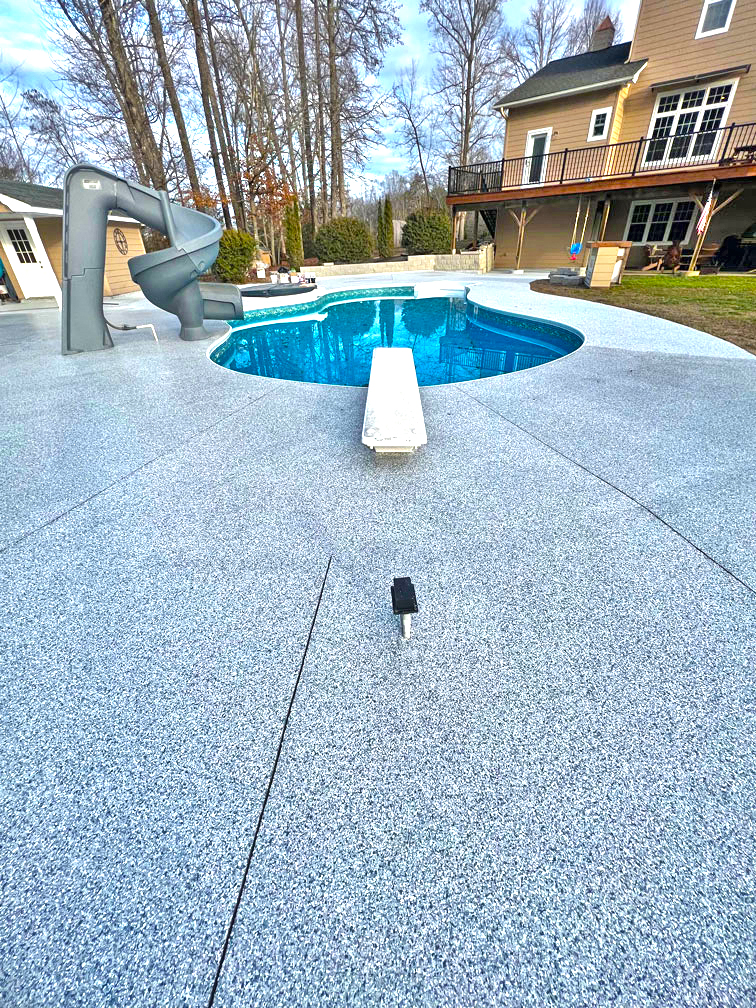
Yes. Our pool deck coating systems include a built-in textured finish that creates a reliable slip resistant surface, even when the deck is soaked. It adds traction without feeling rough on bare feet, which is kind of the sweet spot for any pool area.
Surface temperature depends on color choice, sun exposure, and surrounding conditions. Lighter colors and textured finishes typically feel cooler than dark or smooth surfaces, and our polyaspartic pool deck coatings avoid the heat-trapping issues seen with some traditional cool deck and epoxy systems.
Usually much sooner. Most polyaspartic deck coating systems cure within hours, allowing light foot traffic the same day and quicker return to normal use than typical epoxy or acrylic pool deck resurfacing options.
Professional polyaspartic pool deck resurfacing typically lasts 10–20 years with proper care. That’s significantly longer than acrylic or epoxy coatings, which often require reapplication every few years in outdoor environments.
Epoxy isn’t UV stable and often struggles outdoors, leading to peeling, fading, and failure on a concrete pool deck. Polyaspartic coatings are stronger, more flexible, and specifically designed for exterior deck coating applications exposed to sun, water, and chemicals.
Very little. Regular rinsing and occasional mild cleaning are usually enough to keep your pool deck looking good, without constant sealing or recoating. Translation: less upkeep, more time actually using the pool.
Based on our experience coating pool decks, polyaspartic consistently delivers better durability, UV resistance, and safety than most alternatives. We find that it outperforms epoxy, acrylic, and many cool deck coating systems in both lifespan and real-world performance.
The cost of pool deck resurfacing depends on size, condition, and coating type. While polyaspartic systems cost more upfront than basic acrylic coatings, they typically save money over time by lasting much longer and requiring fewer touch-ups.
Sure, you can resurface your pool deck yourself, as long as you go in knowing what you’re signing up for. DIY pool deck resurfacing usually means using an acrylic or cool deck coating, which is more forgiving to apply but also comes with a shorter lifespan.
If you go the DIY route, a few things matter more than people expect:
Clean the pool deck thoroughly with a concrete-safe cleaner to remove sunscreen residue, dirt, and mildew. Skipping this step is how coatings fail early.
Tape off skimmers, drains, and auto fills so you don’t permanently coat things that should still function. This sounds obvious, but it’s often missed.
Apply a watered-down first coat so the material can soak into small cracks, chips, and porous areas instead of just sitting on top.
Finish with a clear sealer to add protection, make cleaning easier, and slow down wear from sun and water exposure.
DIY acrylic coatings do offer decent UV protection and can improve traction, but they typically need reapplication every 2–3 years, especially in high-sun or high-use pool areas. Professional polyaspartic systems last much longer, which is why many homeowners start DIY and eventually call us when they’re tired of doing it again. Plus, who needs another DIY project to add to the list?
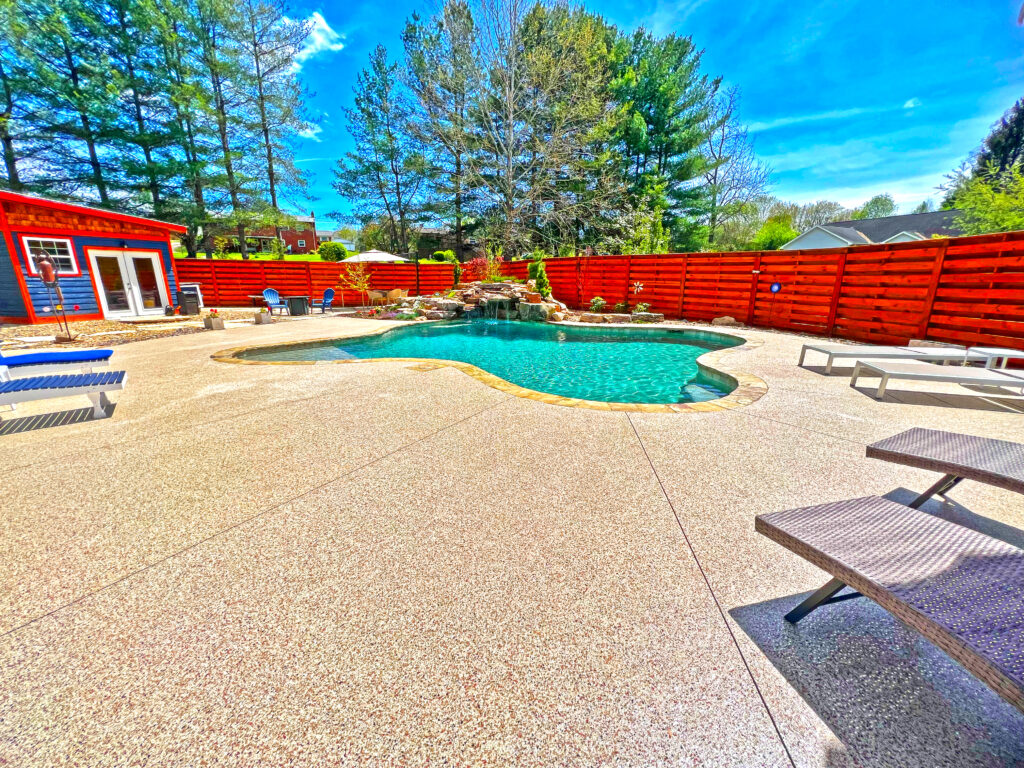
Backyard pools are one thing. Community pools play by different rules. Apartment complexes, clubs, community pools, and HOAs need deck coating systems that can handle constant foot traffic and minimize downtime. We know how to work around schedules, peak hours, and safety requirements to keep things moving. In other words, we get in, do it right, and don’t turn your pool area into a weeks-long construction zone.
Backyard pools are one thing. Community pools play by different rules. Apartment complexes, clubs, community pools, and HOAs need deck coating systems that can handle constant foot traffic and minimize downtime. We know how to work around schedules, peak hours, and safety requirements to keep things moving. In other words, we get in, do it right, and don’t turn your pool area into a weeks-long construction zone.
If your pool deck is peeling, slick, or overdue for resurfacing, let’s fix it, once, and correctly.
Your backyard deserves more than a slippery eyesore.
Phone
864-999-0404
Hours of Operation
Monday: 8:00 AM – 5:00 PM
Tuesday: 8:00 AM – 5:00 PM
Wednesday: 8:00 AM – 5:00 PM
Thursday: 8:00 AM – 5:00 PM
Friday: 8:00 AM – 5:00 PM
Saturday: 9:00 AM – 4:00 PM
Submit your details, and our team will text you promptly.
